
Industrial Refrigeration Systems
Commercial & Industrial Freon Refrigeration Systems
Versatile & Compact: Multi-compressor multiplex rack systems using non-toxic, non-flammable modern refrigerants with low GWP options.
System Design: Direct expansion (DX) and flooded evaporator loops configured with variable capacity control to match changing thermal loads.
Key Equipment: Semi-hermetic screw and scroll compressor racks, remote air-cooled and water-cooled condensers.
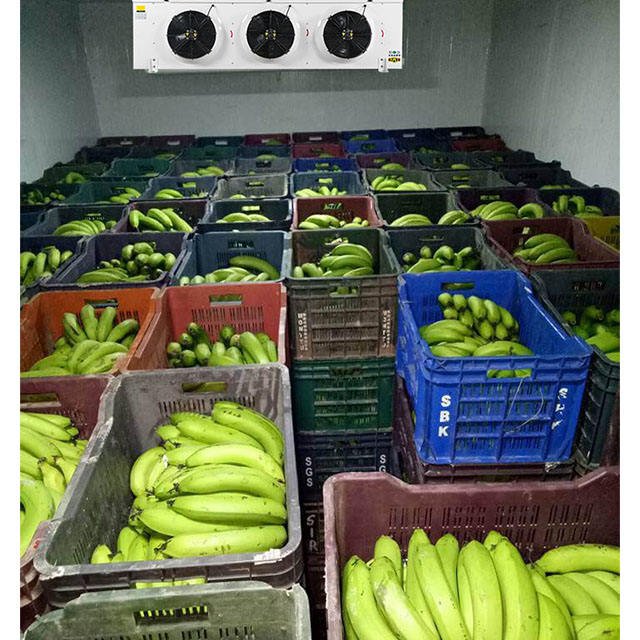
Target Applications: Supermarket distribution centers, pharmaceutical clean storage, seed vaults, and ripening chambers.
Ammonia Central Refrigeration Plants
Natural Refrigerant Efficiency: Zero Ozone Depletion Potential (ODP) and zero Global Warming Potential (GWP).
System Design: Single-stage and two-stage industrial ammonia systems with low-charge designs to enhance site safety.
Key Equipment: Heavy-duty screw and reciprocating compressors, evaporative condensers, liquid overfeed (recirculating) pumps, and surge drums.
Target Applications: Mega cold storage facilities, dairy plants, poultry/meat processing, and large-scale frozen food warehouses.
Blast Freezers & Blast Chillers
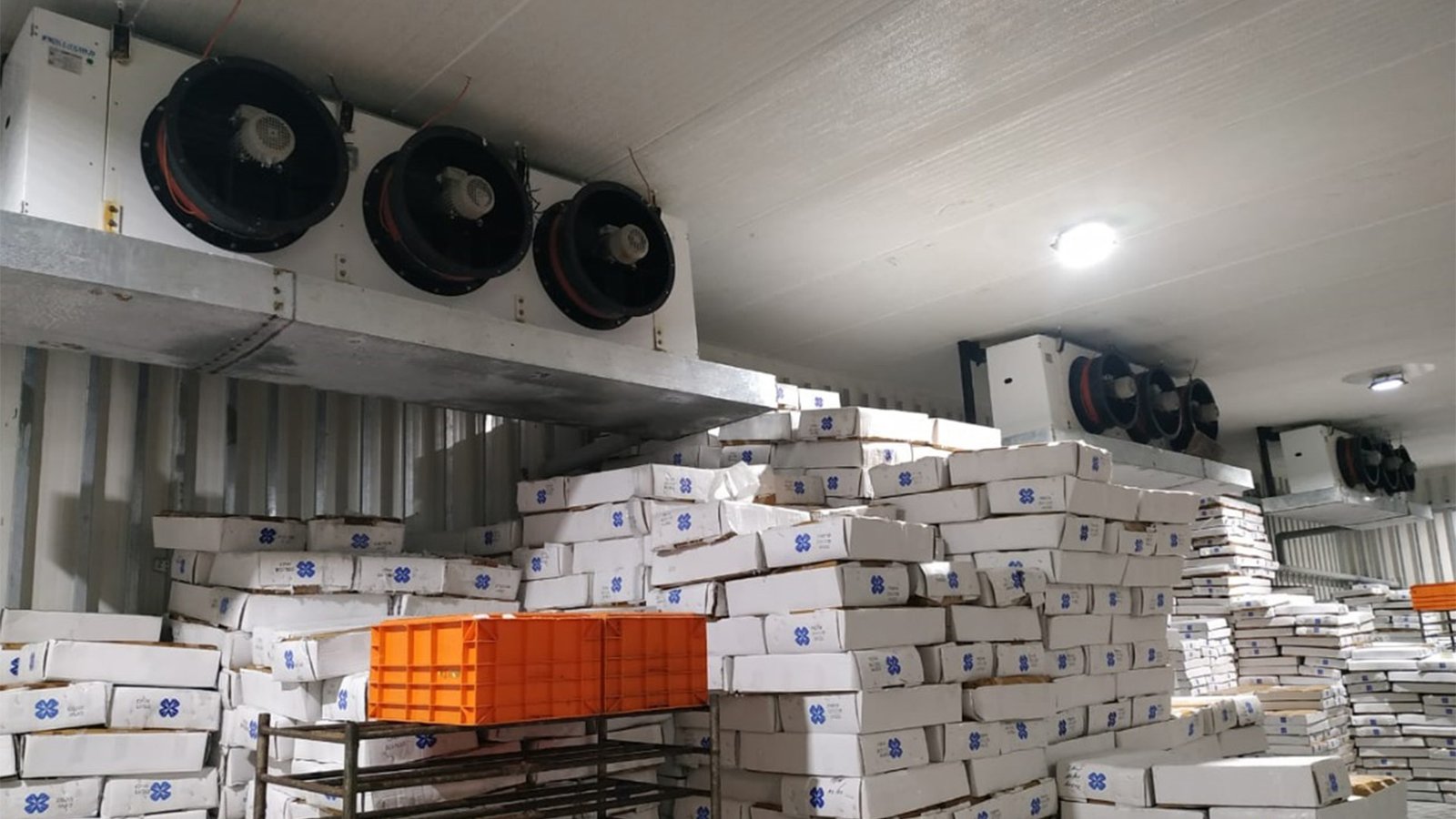
- Rapid Core Freezing: High-velocity air-blast cooling engineered to bring product core temperatures down to -35’C or -40’C in minimum cycle times.
Cellular Integrity Protection: Prevents large ice crystal formation, protecting product moisture, texture, and nutritional value. - Key Equipment: High static-pressure industrial blast evaporators with stainless steel tubes, aluminum fins, and automated hot-gas defrost circuits.
- Target Applications: Seafood processing, poultry/meat processing, French fry lines, and ice cream hardening tunnels.
Secondary Chilling Loops (Glycol & Brine Systems)
Indirect Thermal Distribution: Circulates food-grade inhibited propylene glycol or brine solutions, containing primary refrigerant inside the mechanical room.
Uniform Temperature Management: Eliminates refrigerant lines inside production halls, improving plant safety and ensuring precise temperature bands.
Target Applications: Milk chilling, beverage production, breweries, pharmaceutical batch reactors, and chemical process cooling.
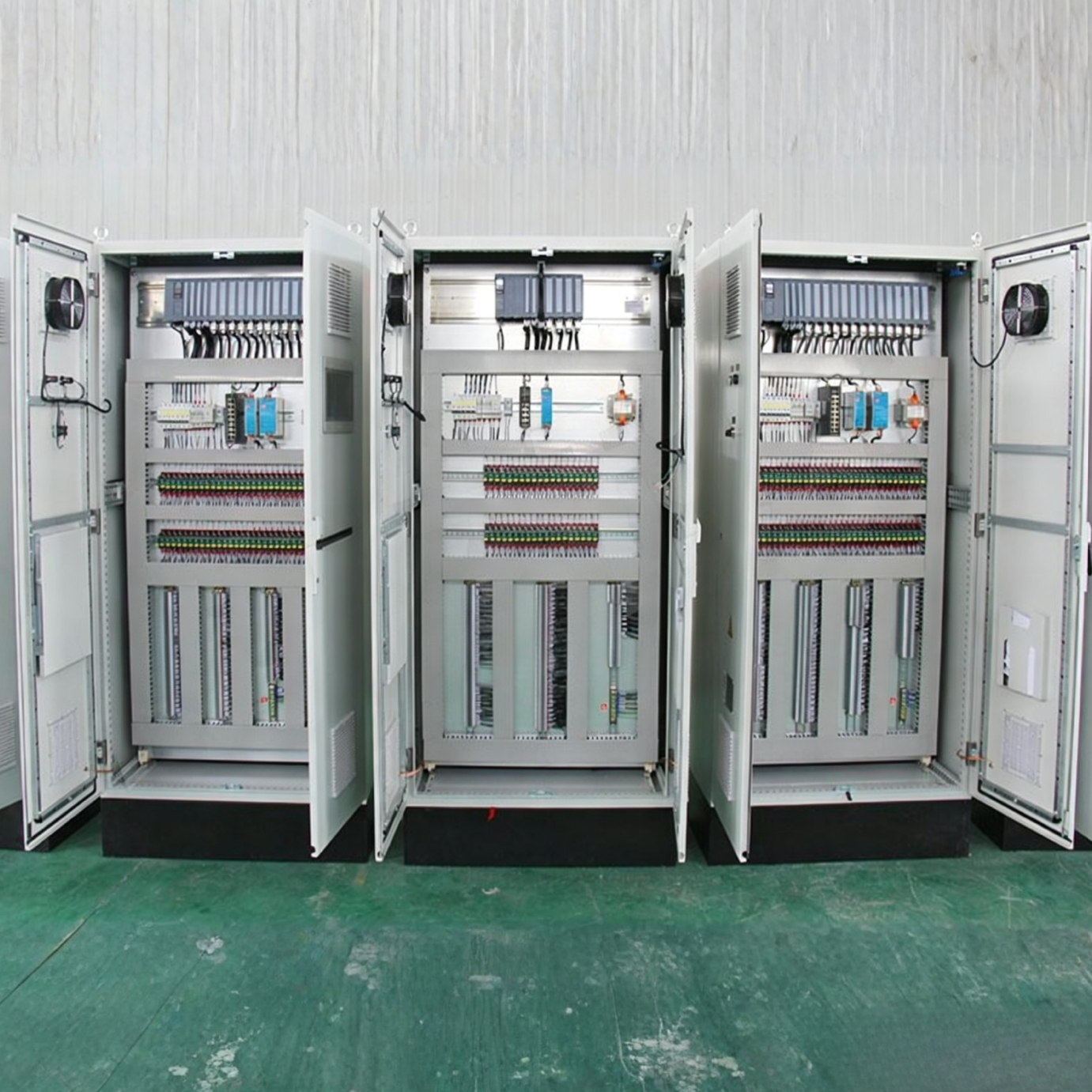
Smart PLC & SCADA Automation
- Intelligent Capacity Modulation: Compressor sequencing based on real-time suction pressure and temperature tracking.
- Automated Defrost Cycles: Demand-based electric and hot-gas defrost management that minimizes chamber temperature rise during defrost.
- Remote Monitoring & Alarms: Cloud-connected dashboards for 24/7 logging, automated leak detection, and instant multi-channel alerts.
FAQ
How do I choose between an Ammonia and a Freon-based refrigeration system?
The choice depends primarily on your facility size, operating budget, and local environmental regulations. Ammonia offers superior thermodynamic efficiency and zero Global Warming Potential (GWP), making it the most cost-effective and energy-efficient solution for large-scale facilities exceeding 500 MT capacity. Freon systems involve lower initial capital expenditure, require simpler mechanical plant layouts, and are ideal for small-to-medium facilities, commercial cold rooms, urban locations, or sites with strict refrigerant handling restrictions.
How does your smart PLC/SCADA automation reduce power consumption?
Cooling compressors and condenser fans consume the bulk of facility power. Our automated control panels continuously modulate compressor capacity using variable frequency drives (VFDs) and real-time suction pressure tracking. Additionally, we implement intelligent, demand-based defrost cycles (instead of fixed timers) and floating head-pressure controls, typically reducing monthly electrical power bills by 15% to 30%.
Can you upgrade or retrofit an existing, older refrigeration plant?
Yes. We offer complete thermal efficiency audits, compressor overhauls, condenser retrofits, conversion to lower-GWP refrigerants, and automation upgrades. Retrofitting variable speed drives, updating coil designs, and optimizing expansion valves can substantially restore cooling capacity and lower operating overhead without requiring a full facility rebuild.
What is included in your Turnkey Execution service?
Our turnkey project delivery provides complete single-point accountability. We handle accurate thermal heat load sizing, 2D/3D CAD layouts, machinery supply, certified site pipe erection, pressure holding tests (nitrogen vacuum testing), refrigerant charging, pull-down testing, and system commissioning. Post-commissioning, we support your plant with comprehensive Annual Maintenance Contracts (AMC) and routine preventive checkups.
What temperature ranges can your refrigeration plants support?
Our systems are custom-engineered to handle continuous operating ranges from positive temperatures +15’c down to deep sub-zero conditions -40’c. This covers everything from vegetable and fruit ripening chambers +8’c to +15’c and dairy/pharma holding rooms +2’c to +8’c to frozen food storage -18’c to -25’c and rapid blast freezing tunnels -35’c to -40’c.
What safety mechanisms are installed with your Ammonia plants?
Safety is engineered into every stage of our industrial installations. Every Ammonia plant includes calibrated dual-pressure relief valves, leak detection sensors with audible and visual alarms, emergency automated exhaust ventilation systems, and emergency shutdown switches located outside the machine room. All vessels and piping adhere strictly to industrial pressure standards and undergo hydrostatic and pneumatic pressure testing prior to gas charging.
How quickly can a blast freezer pull down the core temperature of food products?
Blast chilling and freezing cycles depend on product thickness, entry temperature, and batch tonnage. Generally, our blast freezers are designed to bring core temperatures from +70’C (cooked/processed) or ambient down to -18’C / -35’C within 90 to 240 minutes, preventing cell rupture and maintaining food moisture and texture.
What ongoing maintenance and AMC support does Prakhar Pro-Tech provide after installation?
We provide comprehensive Annual Maintenance Contracts (AMC) and preventive service programs tailored to your operating schedule. This includes periodic compressor oil and filter replacements, mechanical seal checks, refrigerant leak detection audits, coil cleaning, and recalibration of automated PLC/SCADA safety controls to ensure continuous uptime and extend equipment lifespan.